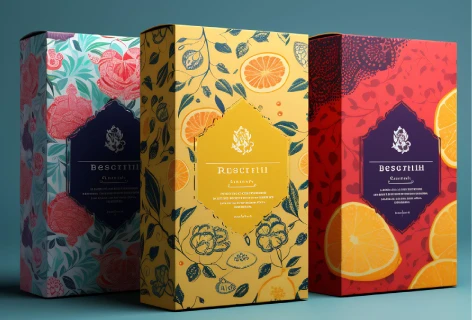

Custom Product Sleeves: A Cost-Effective and Stylish Packaging Solution for Modern Brands
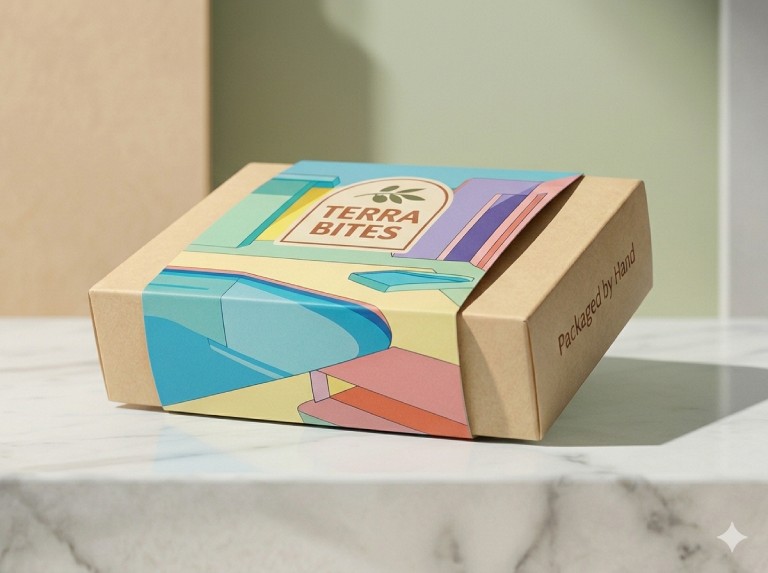
Product packaging doesn’t always need a box to make an impact. Many brands today use custom product sleeves, or belly bands, as a smarter and more efficient way to present their products.
Product sleeves wrap around products or their primary packaging, delivering branding, information, and visual appeal while using significantly less material. Businesses embrace them to balance cost efficiency, sustainability, and strong branding.
From apparel and cosmetics to food and retail products, sleeve packaging has become a versatile solution for modern brands.
What Are Product Sleeves?
Product sleeves are printed paper or paperboard bands that wrap around a product or its packaging. Unlike full boxes, sleeves cover only a portion of the product while still providing essential branding and design elements. Product sleeves are often used alongside custom-printed packaging to create a cohesive brand experience across product lines.
Custom sleeves are commonly used to:
- Enhance product presentation
- Add branding to plain packaging
- Bundle multiple items together
- Provide product information without full packaging
Because of their simple structure, sleeves are both cost-effective and production-friendly. Depending on the product type and branding goals, different sleeve styles are used to achieve specific functional and visual outcomes.
Types of Product Sleeves
Different types of product sleeves are designed to serve specific branding, functional, and aesthetic purposes. Choosing the right sleeve style depends on your product type, brand positioning, and packaging requirements.
Standard Paperboard Sleeves: Custom paperboard sleeves are the most commonly used option for retail and consumer products. Made from coated or uncoated paperboard (typically 10pt–18pt or alternatively 250gsm–350gsm), they provide a smooth surface that supports high-quality printing and premium finishing options such as matte lamination, gloss coating, foil stamping, and embossing. Paperboard sleeves are ideal for brands seeking a clean, professional, and visually appealing presentation.
Kraft Product Sleeves: Kraft sleeves are made from natural brown kraft paper and are widely used by brands focused on sustainability and eco-friendly packaging. Eco-friendly kraft sleeves offer a raw, organic appearance that aligns well with natural, handmade, or environmentally conscious products. While print quality is slightly muted compared to coated paperboard, kraft sleeve packaging creates a strong brand identity through its authentic, minimalist aesthetic.
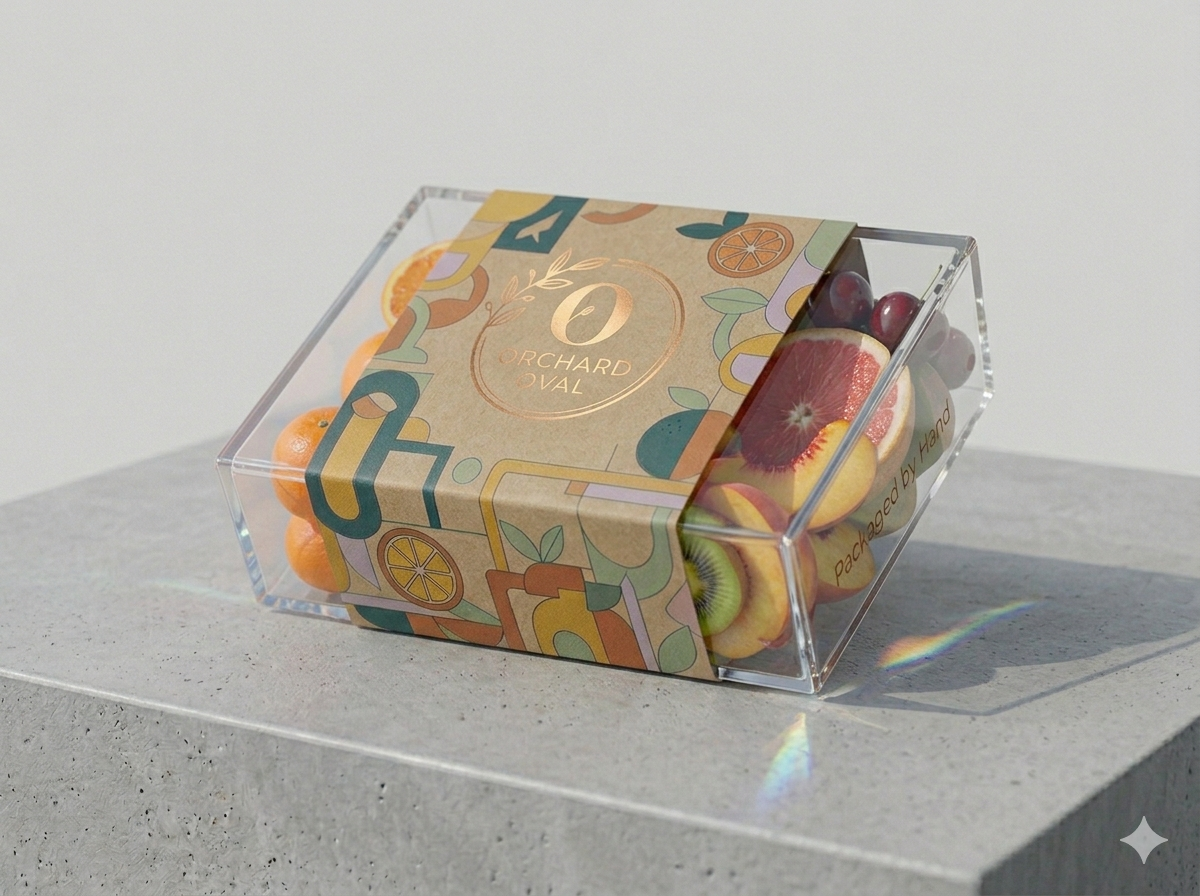
Die-Cut Window Sleeves: Die-cut window sleeves feature custom openings that let customers see the product inside without opening the packaging. This structure enhances product visibility while maintaining branding space around the sleeve. Custom sleeve packaging with a window is especially effective for retail environments where visual appeal influences purchasing decisions, such as cosmetics, food items, and apparel accessories.
Printed Belly Bands: Custom-printed belly bands are minimalist sleeves that wrap around products or existing packaging, such as boxes, books, or folded garments. Custom-printed product sleeves are primarily used for branding, bundling, or promotional purposes without adding significant bulk or cost. Belly bands are a popular choice for subscription boxes, gift packaging, and product sets that require a simple yet elegant branding element.
Benefits of Product Sleeves
Product sleeves offer a practical and cost-effective alternative to traditional packaging, making them a popular choice for modern brands.
Product sleeves reduce production costs by using less material while still delivering a strong visual impact through high-quality, full-colour printing. Their lightweight structure also helps lower shipping expenses, especially for e-commerce businesses.
In addition to cost efficiency, recyclable product sleeves support sustainable packaging goals, as they are typically made from recyclable materials and generate less waste compared to full boxes. Their flexible design allows them to be used across a wide range of industries, including apparel, cosmetics, food, and retail products.
Key advantages include:
- Lower production cost due to reduced material usage
- Lightweight structure that reduces shipping costs
- Strong branding impact with customisable printing
- Eco-friendly option with recyclable materials
- Versatile use across multiple product categories
For startups and growing e-commerce brands, product sleeves offer a professional, scalable packaging solution without the expense of fully enclosed packaging. While sleeves offer many advantages, it is important to compare them with traditional packaging options to determine the best fit.
Product Sleeves vs Full Packaging Boxes
Choosing between product sleeves and packaging boxes depends on your product requirements, branding goals, and level of protection needed. Both options serve different purposes within a packaging strategy.
|
Feature |
Product Sleeves |
Packaging Boxes |
|---|---|---|
|
Cost Efficiency |
More cost-effective due to less material |
Higher investment with added structure |
|
Material Usage |
Uses minimal material |
Uses more material for a full enclosure |
|
Product Protection |
Suitable for low to moderate protection needs |
Ideal for high protection and fragile products |
|
Branding Opportunity |
Focused branding area with clean, minimal design |
Full surface area for detailed branding and storytelling |
|
Sustainability |
Lower material usage can reduce waste |
Can be sustainable depending on material choice |
|
Use Case |
Branding, bundling, or enhancing existing packaging |
Complete packaging solution for retail and shipping |
Product sleeves are ideal when branding is needed without heavy protection requirements.
Industries That Use Product Sleeves
Product sleeves are widely used across industries for their flexibility, cost efficiency, and strong branding potential.
They are commonly applied in:
- Apparel – wrapping t-shirts, garments, and fashion accessories while maintaining a clean, minimal presentation
- Cosmetics – adding branding to jars, bottles, and product kits without the need for full packaging
- Food & Bakery – enhancing presentation for boxes, trays, and takeaway packaging
- Retail Products – bundling multiple items together or adding branded identification
- Books & Stationery – wrapping notebooks, journals, and product sets for a polished look
Because of their adaptability, product sleeves work well for both retail displays and e-commerce packaging, making them among the most versatile and practical packaging solutions available.
Design Tips for High-Impact Product Sleeves
A well-designed product sleeve can significantly enhance product presentation and strengthen brand identity. Since sleeves offer limited space, every design element should be intentional and visually impactful.
Focus on using consistent brand colours and clear visual hierarchy to ensure your product stands out. Typography should remain clean and easy to read, while essential product information must be presented without clutter.
Key design tips include:
- Use bold, consistent brand colours to improve recognition
- Keep typography clean, readable, and well-spaced
- Include only essential product information to avoid overcrowding
- Enhance visual appeal with finishes such as foil stamping, embossing, or spot UV
- Align the sleeve design with your overall packaging and brand strategy
In many cases, a minimal, well-balanced design delivers the greatest impact, especially for modern and premium brands.
Sustainable Packaging with Product Sleeves
Sustainability is one of the main reasons many brands are shifting toward product sleeve packaging. By using fewer materials while maintaining a strong visual appeal, sleeves offer a more responsible approach to packaging design.
Product sleeves contribute to eco-friendly practices in several ways:
- Use significantly less material compared to full packaging boxes
- Made from recyclable paperboard or kraft substrates
- Reduce overall shipping weight, helping lower carbon emissions
For brands prioritizing sustainability, product sleeves provide a simple, efficient, and environmentally responsible packaging solution without compromising on branding or presentation.
When Should You Use Product Sleeves?
Product sleeves are an ideal choice for brands seeking a cost-effective, flexible packaging solution without compromising presentation.
They are best suited for situations where:
- The product does not require heavy structural protection
- Reducing packaging costs is a priority
- Primary packaging (such as boxes, jars, or containers) already exists
- A quick, scalable branding solution is needed
- Sustainability and reduced material usage are important considerations
Product sleeves are particularly effective for e-commerce brands, startups, and promotional packaging, where efficiency, branding, and cost control are key. They are often used as a complementary solution alongside corrugated mailer boxes for shipping and protection.
Conclusion: Smart Packaging with Maximum Impact
Product sleeves offer a balanced approach to modern packaging by combining cost efficiency, strong branding, and sustainability. They enable businesses to create visually appealing, professional packaging without the added expense and material use of fully enclosed boxes.
For brands looking to simplify their packaging strategy while maintaining a strong visual identity, custom product sleeves provide a practical, scalable, and contemporary solution.
Frequently Asked Questions
Q: What Are Product Sleeves?
A: Product sleeves are printed paper bands that wrap around products or packaging to provide branding, information, and visual appeal without using full boxes.
Q: What are product sleeves used for?
A: Product sleeves are used to wrap around products or packaging to provide branding, product information, and visual appeal without using full boxes.
Q: Are product sleeves cost-effective?
A: Yes, product sleeves are more affordable than full packaging because they use less material and require simpler production.
Q: What materials are used for product sleeves?
A: Common materials include paperboard, kraft paper, and coated stock for high-quality printing.
Q: Are product sleeves eco-friendly?
A: Yes, they are considered eco-friendly because they use less material and are typically made from recyclable paper-based materials.
Professional Design & Printing Services
Printingblue offers customized commercial printing solutions to meet your business needs. Our expert team delivers top-notch design and printing services that exceed expectations. Contact us today for a free consultation.