
How to Design Stand-Up Pouches That Sell: Materials, Layout & Printing Tips for Food, Coffee, and Cosmetics
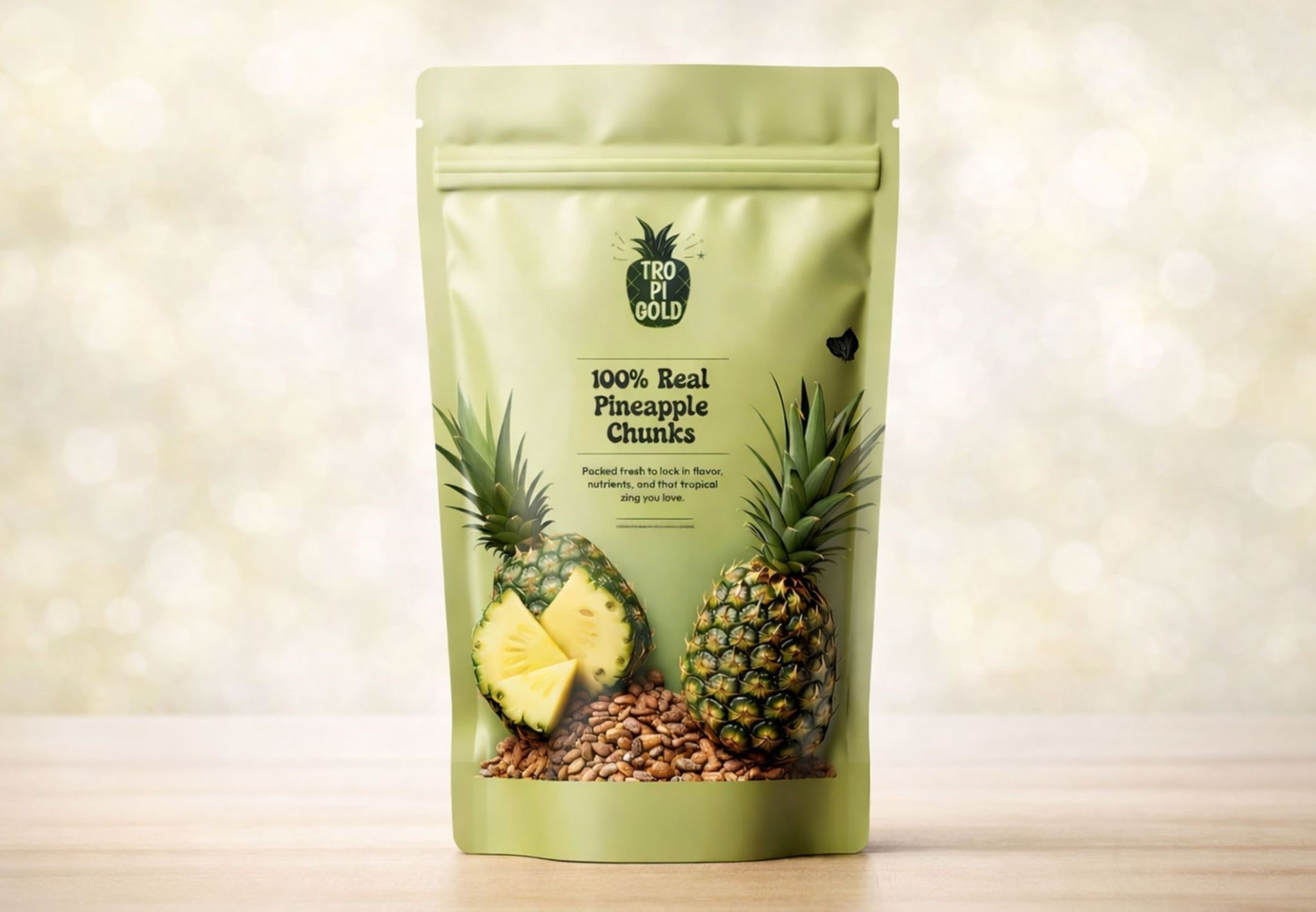
Stand-up pouches have become one of the most in-demand packaging formats for food, coffee, and cosmetic brands. Their combination of lightweight construction, strong shelf presence, and cost efficiency makes them ideal for both retail and e-commerce. However, successful pouch packaging goes far beyond visual appeal. Brands that see real sales impact focus on material performance, intelligent layout design, and print accuracy from the start.
This guide explains how to design stand-up pouches that not only look good but also perform well in real-world use.
Why Stand-Up Pouches Are Replacing Traditional Packaging
Stand-up pouches are increasingly seen as the future of packaging because they address the evolving needs of brands, retailers, and consumers at the same time. Their lightweight, space-efficient structure reduces material usage, transportation costs, and storage requirements. These advantages make stand-up pouches a practical and scalable solution for modern supply chains. At the same time, advances in flexible packaging materials allow stand-up pouches to deliver strong barrier protection against moisture, oxygen, and light, which is critical for maintaining product quality in food, coffee, and cosmetic applications.
Beyond performance, stand-up pouches support changing consumer preferences for convenience and sustainability. Features such as resealable closures, spouts, and refill-friendly formats improve usability while aligning with waste-reduction and refill initiatives. From a branding perspective, stand-up pouches offer excellent shelf visibility and a large printable surface, enabling premium finishes and distinctive design without the cost of rigid packaging. As e-commerce, sustainability expectations, and demand for flexible manufacturing continue to grow, stand-up pouches are becoming a long-term packaging strategy rather than a short-term alternative.
How to Choose the Right Materials for Stand-Up Pouches
Material selection is the foundation of pouch packaging success. A pouch that looks attractive but fails to protect the product can quickly damage brand trust.
For food packaging pouches, laminated structures such as PET/PE or foil-based materials are commonly used to provide moisture and oxygen barriers. High-barrier mylar bags and stand-up pouches are popular for products that require extended shelf life, aroma retention, and protection from light, making them a preferred choice for snacks, supplements, coffee, and cosmetics.
When selecting materials, brands should consider shelf-life requirements, sensitivity to light and moisture, filling methods, sustainability goals, and the desired tactile experience. The right material supports both product integrity and brand positioning.
What Packaging Combinations Work Best with Stand-Up Pouches?
Stand-up pouches often perform best when paired with complementary packaging and printed materials that enhance protection, presentation, and customer engagement. Common and effective packaging combinations include:
- Stand-up pouch + custom mailer box
Pairing a stand-up pouch with a custom mailer box adds an extra layer of protection during transit while elevating the overall presentation. This combination is especially effective for e-commerce and DTC brands, where safe delivery and a strong unboxing experience are key to customer satisfaction. Mailer boxes also provide additional branding space, allowing brands to reinforce messaging beyond the pouch itself. - Stand-up pouch + retail display box
A retail display box helps stand-up pouches remain upright, organized, and highly visible in retail environments. This combination improves shelf presence and makes it easier for retailers to merchandise multiple SKUs or flavors. Display boxes also add structure in high-traffic areas such as countertops, checkout zones, and promotional displays. - Stand-up pouch + labels or stickers
Adding labels or stickers to stand-up pouches offers flexibility for brands managing limited editions, regulatory updates, seasonal campaigns, or multi-language labeling. This solution allows quick customization without changing the main pouch artwork, making it cost-effective for short runs or market-specific requirements. - Stand-up pouch + rigid gift box
Pairing stand-up pouches with rigid gift packaging enhances retail appeal, ensures structural integrity, and improves product protection. This approach is ideal for gift sets, subscription boxes, and bundled offerings in food, coffee, and cosmetics.
These packaging combinations allow brands to maintain the cost efficiency and flexibility of stand-up pouches while delivering a more polished, cohesive, and memorable customer experience across both retail and e-commerce channels.
How Layout and Finishes Work Together to Drive Stand-Up Pouch Sales
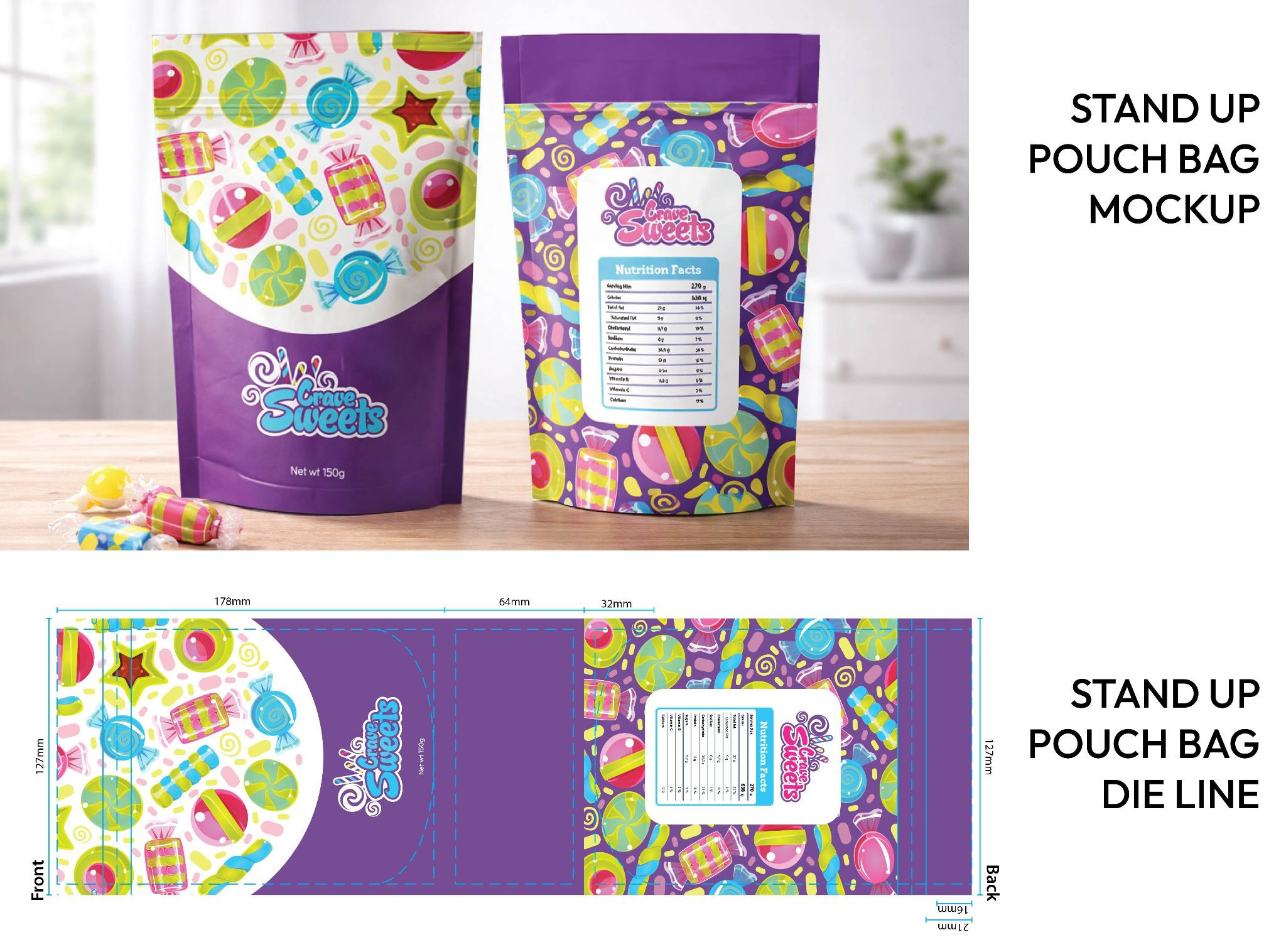
Stand-up pouch design must account for the pouch’s physical structure, including seals, zippers, and bottom gussets, as these elements directly affect how artwork appears once the pouch is filled and displayed. A well-designed front panel should communicate brand identity and product value within seconds, using strong typography, high contrast, and a clear information hierarchy to help shoppers quickly understand what the product is and why it stands out.
The back panel plays an equally important role by providing product details such as ingredients, usage instructions, and regulatory information. This area also offers space for brand storytelling, sustainability messaging, or QR codes that deepen customer trust without crowding the front design. Side gussets, often overlooked, can be used strategically for subtle branding elements, patterns, or certifications, turning every visible surface of the pouch into a branding opportunity.
Beyond layout, finishes play a critical role in elevating the overall perception of stand-up pouch packaging. Matte lamination is widely used across food, coffee, and cosmetic brands for its clean, modern appearance, while spot UV can be applied selectively to logos or product names to create contrast and tactile interest. Metallic foil accents are often reserved for limited editions, gifting, or premium positioning, adding visual impact without altering the pouch structure.
When used with restraint, finishes enhance the design rather than overpower it. The most effective stand-up pouch designs balance layout clarity with thoughtful finishing choices, ensuring the packaging looks premium, remains readable, and performs well both on shelves and in e-commerce environments.
Stand-Up Pouch Design Guidelines: File Preparation, Industry Needs, and Common Mistakes
Print accuracy is essential for stand-up pouches because flexible packaging behaves differently than rigid boxes. During production and filling, pouches are subject to stretching, sealing, and folding, which can affect artwork placement and appearance if files are not prepared correctly.
Essential File Preparation Guidelines for Pouch Printing
Design files should be created in CMYK at high resolution, with adequate bleed and clearly defined safe zones to prevent distortion near seals, zippers, and tear notches. Fonts must be converted to outlines, and any required white ink layers, commonly used for kraft or metallic pouches, should be clearly specified. Special attention is needed for bottom gussets, as artwork in this area may shift or distort once the pouch is filled and standing.
Industry-Specific Design Considerations
An effective stand-up pouch design must reflect the requirements of its end-use industry. Food brands typically focus on durability, strong barrier performance, and regulatory clarity, often choosing kraft or foil finishes to communicate freshness and quality. Coffee brands prioritize aroma protection through high-barrier materials and valve integration, paired with clean, minimalist layouts that signal premium positioning. While food and coffee pouches prioritize barrier performance, cosmetic stand-up pouches often emphasize tactile finishes, refill compatibility, and premium aesthetics. Cosmetic and personal care brands focus on elegant layouts, soft-touch finishes, and refill-friendly designs that align with sustainability goals.
Why Samples and Testing Are Essential
Requesting physical samples or press proofs before full production is strongly recommended, particularly for new pouch designs. Sampling helps verify colour accuracy, layout alignment, structural performance, and overall presentation before committing to large production runs.
Common Stand-Up Pouch Design Mistakes to Avoid
Many pouch packaging issues arise from ignoring structural constraints, overcrowding the front panel, or prioritizing visual appeal over barrier performance. Skipping physical samples, failing to account for pouch construction details, or making unsupported sustainability claims can lead to costly revisions and customer dissatisfaction. Careful planning and early testing help prevent these issues.
Conclusion:
Stand-up pouches are no longer just a packaging trend; they are a core packaging strategy for modern brands. When designed with the right materials, layout, and print execution, custom stand-up pouches help protect products, enhance brand perception, and drive sales across food, coffee, and cosmetics categories.
Brands that invest in thoughtful pouch design today position themselves for stronger growth and customer loyalty in the years ahead.
Frequently Asked Questions
Q: What is the best material for stand-up food pouches?
A: The best material depends on shelf-life needs, but PET/PE laminates and foil-based structures are widely used for food packaging due to their barrier performance.
Q: Are stand-up pouches suitable for coffee packaging?
A: Yes. Stand-up coffee pouches with foil barriers and one-way valves are ideal for preserving freshness and aroma.
Q: Can cosmetic brands use stand-up pouches?
A: Absolutely. Cosmetic brands commonly use stand-up pouches for refill packaging, sample sizes, and sustainable product lines.
Q: Are stand-up pouches eco-friendly?
A: They can be. Many suppliers now offer recyclable or mono-material pouches designed to reduce environmental impact.
Professional Design & Printing Services
Printingblue offers customized commercial printing solutions to meet your business needs. Our expert team delivers top-notch design and printing services that exceed expectations. Contact us today for a free consultation.